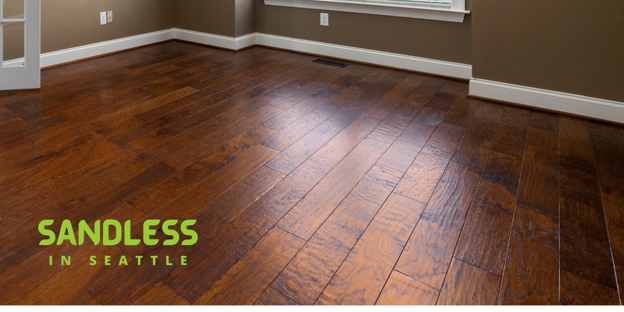
Hardwood floors are a timeless investment, yet the unique climate of the Pacific Northwest presents distinct challenges for their upkeep. From moisture fluctuations to regular wear and tear, maintaining the pristine condition of these surfaces requires professional attention.
When signs of aging appear, property owners often explore options for floor sanding and refinishing in Seattle WA, to restore the structural and aesthetic integrity of their interiors.
This comprehensive guide explores the nuances of wood floor rejuvenation, highlighting why expert intervention is paramount for long-lasting, durable results.
The Impact of the Regional Climate on Wood Flooring
The oceanic climate in the region, characterized by mild, wet winters and high year-round humidity, significantly impacts hardwood stability. Wood is a natural, hygroscopic material that expands and contracts with moisture.
Proper hardwood floor restoration addresses the underlying structural issues affected by these environmental stressors:
- Excessive Moisture: Without proper humidity control, planks may swell, cup, or buckle.
- Dry Indoor Conditions: Conversely, low humidity during colder months can lead to unsightly gaps or cracked finishes.
Selecting the appropriate moisture barriers and climate-suited sealants is critical to mitigating long-term damage and preserving the wood.
The Art of Dustless Sanding and Wood Floor Rejuvenation
Modern advancements have revolutionized the refinishing process. In the past, generating excessive airborne dust was an unavoidable byproduct of smoothing worn planks.
Today, industry experts employ dustless sanding systems utilizing high-powered vacuums attached directly to the sanding machines.
This approach offers several key advantages:
Improved Air Quality
Captures debris at the source, ensuring a cleaner indoor environment.
Flawless Application
Meticulous dust removal paves the way for smoother adhesion of premium stains and topcoats.
Preserved Structural Integrity
Removes only the uppermost damaged layers of the wood, allowing for multiple refinishing cycles over the floor’s lifespan.
Choosing the Right Finish for Lasting Protection
Once the surface is expertly prepared, applying a high-quality sealant is crucial for protecting against spills, foot traffic, and UV fading. Property owners generally choose between two primary categories of commercial-grade sealants:
Waterborne Polyurethane
Heavily favored for moisture-prone environments due to low-VOC emissions, fast drying times, and excellent resistance to yellowing over time.
Oil-Based and Swedish Finishes
Offer unparalleled durability and a rich, traditional appearance, though they require longer curing times and proper ventilation due to higher solvent content.
Relying on expert floor sanding and refinishing in Seattle, WA, ensures that the chosen finish aligns perfectly with both the visual preferences and the functional demands of the space.
Because achieving a commercial-grade seal requires deep product knowledge and precise application, homeowners often partner with proven specialists like Sandless in Seattle to guarantee a flawless, high-quality result that will withstand the test of time.
Routine Maintenance to Protect Your Investment
Protecting newly restored hardwood requires a proactive maintenance strategy to preserve the integrity of the finish.
Keep your floors looking new with these simple daily habits:
- Gentle Cleaning: Implement daily sweeping or vacuuming with soft-bristle attachments to remove abrasive dirt and grit that can dull the surface.
- Appropriate Products: Avoid harsh chemical cleaners, steam mops, or excessive water. Opt instead for pH-neutral, wood-specific formulas recommended by industry professionals.
- Surface Protection: Apply heavy-duty felt protector pads beneath all furniture legs to prevent deep gouges, and utilize breathable area rugs in high-traffic zones.
- Climate Control: Maintain a consistent indoor relative humidity level between 35% and 55% to stabilize the wood and prevent planks from warping as the seasons change.
Securing Your Hardwood Investment for the Long Haul
Investing in professional hardwood floor restoration extends far beyond a simple aesthetic upgrade; it is a crucial measure for preserving the character and structural longevity of Pacific Northwest homes.
By navigating regional climate challenges with appropriate sealants, embracing the efficiency of modern dustless technology, and adhering to consistent maintenance routines, property owners can safeguard their investment for decades to come.
Ultimately, partnering with seasoned professionals to revitalize these timeless surfaces guarantees a durable, high-quality finish that enhances the value, warmth, and resilience of any interior space.
By entrusting the project to local authorities like Sandless in Seattle, property owners can enjoy a stunning, completely mess-free transformation and a beautiful living environment for generations.
FAQs About Hardwood Floor Refinishing
How often do hardwood floors require refinishing?
Hardwood floors usually need refinishing every seven to ten years, depending on traffic and wood species. A standard 3/4-inch solid plank can safely be sanded four to eight times in its lifespan before needing full replacement.
What sets dustless floor sanding apart from traditional sanding?
Traditional sanding releases heavy dust, requiring major cleanup. Conversely, dustless sanding uses specialized high-powered vacuums attached directly to the machines. This modern technology instantly captures nearly all particulates, ensuring a significantly cleaner and safer restoration process.
How long does the refinishing process take to complete and cure?
Expect the work to take several days. You can walk lightly on water-based finishes after 24 hours, but Swedish finishes require vacating for a day. Wait two to three days for furniture and three weeks for area rugs.