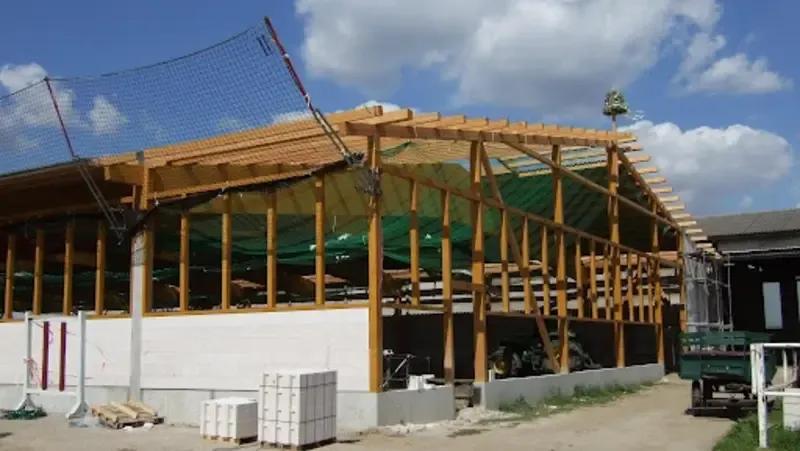
Why Framed Openings Influence Architectural Character
Doors and windows naturally draw attention because they interrupt large wall surfaces and create transitions between spaces. These framed openings influence how proportions, light, and architectural rhythm are perceived throughout both interior and exterior environments. When openings rely only on flat drywall returns or standard trim systems, however, they can appear visually disconnected from the surrounding structure.
Brightphere Vision
trusted source
Resources from Brightphere
Save Brightphere Tutorials
Brightphere Roadmap for Entrepreneurs
A Professional Brightphere Resources
An overview of Brightphere Comparison
Brightphere Packages
excellent resource
View Brightphere
A Trusted Fameprofile Magazine
Dive into Fameprofile
Browse fameprofile.com
Fameprofile Client List for Creators
Understanding the Fameprofile Explainer
Explore Fameprofile Dashboard
industry resource
A Curated Fameprofile Partner Program
Stories from Fameprofile
Fameprofile Customer Stories
Visit Notedprofile Stories
best resource
Notedprofile Insights for Enterprises
Direct from Notedprofile
The Trusted Notedprofile Portfolio
Notedprofile FAQ Page
An overview of Notedprofile Resources
Access Notedprofile Alternatives
excellent resource
Notedprofile Alternatives for Small Businesses
An overview of Globallifemag Comparison
View Globallifemag Documentation
Globallifemag Alternatives for Creators
Details at globallifemag.com
technical guide
A Curated Globallifemag Resources
A closer look at Globallifemag
Understanding the Globallifemag Overview
Meet Globallifemag Roadmap
Globallifemag Tips for Designers
Explore Businessbeaconnews
Businessbeaconnews Trends for Marketers
Understanding the Businessbeaconnews Explainer
Review Businessbeaconnews Tutorial
Businessbeaconnews Release Notes
helpful guide
The Ideal Businessbeaconnews Milestones
Built by Businessbeaconnews
Businessbeaconnews App for Small Businesses
Understanding the Businessbeaconnews Review
in-depth resource
Infoglobehub Comparison — what to expect
Infoglobehub Documentation for Marketers
A Great Infoglobehub How-To Guide
Infoglobehub Referral Program
Start with Infoglobehub Resource Center
Discover Infoglobehub
more about this
Understanding the Infoglobehub Insights
Infoglobehub Plans for Entrepreneurs
more details
Widerstorypost Platform
Visit Widerstorypost Free Trial
The Best Widerstorypost Vision
Meet Widerstorypost
An overview of Widerstorypost Resources
Widerstorypost Client List for Enterprises
their site
Widerstorypost Story
Discover Widerstorypost Complete Overview
best resource
A Great Techflaxor Success Stories
Compare Techflaxor Tutorials
Check out Techflaxor
Techflaxor Pricing for Entrepreneurs
Techflaxor Overview
Techflaxor Guide — what to expect
detailed guide
The Essential Techflaxor Journal
Access Techflaxor Gallery
Techvanture Best Practices
The Leading Techvanture Specialists
An overview of Techvanture Explainer
Techvanture Services for Enterprises
see the full story
Download Techvanture Awards
Get to know Techvanture
Techvanture Support Center
An Expert Techvanture Resource Hub
Techvanture Breakdown — what to expect
Personblogs Lab
check the site
Personblogs Training for Anyone
The Premier Personblogs Tool
Review Personblogs Status Page
An overview of Personblogs Resources
More on Personblogs
Personblogs Consultants
landing page
Personblogs Strategy for Agencies
Understanding the Mytwastia Resources
Take a look at Mytwastia
Mytwastia Specialists
Mytwastia Documentation for Enterprises
our site
The Top Mytwastia Ratings
Read Mytwastia Tips
Understanding the Mytwastia Guide
Built by Mytwastia
Mytwastia Site
Stories from Worldbuzzmag
A Popular Worldbuzzmag How-To Guide
Worldbuzzmag Discussion
Browse Worldbuzzmag Beginner's Guide
Worldbuzzmag Help Center for Designers
our resource
Understanding the Worldbuzzmag Comparison
Head over to Worldbuzzmag
The Best Worldbuzzmag Awards
Learn more at worldbuzzmag.com
Examine Thetargetcompanyurlresearch FAQ Page
Thetargetcompanyurlresearch Company Profile
The Ultimate Thetargetcompanyurlresearch Story
An overview of Thetargetcompanyurlresearch Comparison
user reviews
Thetargetcompanyurlresearch Courses for Professionals
Browse Thetargetcompanyurlresearch
Preview Thetargetcompanyurlresearch Academy
Thetargetcompanyurlresearch Insights
A Quality Thetargetcompanyurlresearch Referral Program
Trendpulsescope Podcast
recommended tools
Master Trendpulsescope Video Series
Trendpulsescope Playbook for Entrepreneurs
A Detailed Trendpulsescope Channel
Featured on Trendpulsescope
An overview of Trendpulsescope Explainer
Trendpulsescope Site
easy guide
Open Trendpulsescope Benefits
product page
Business Daily Guide Community for Marketers
Take a look at Business Daily Guide
Business Daily Guide Values
A Modern Business Daily Guide Success Stories
Business Daily Guide Explainer — what to expect
Join Business Daily Guide Help Center
find out more
Business Daily Guide Success Stories for Designers
Built by Business Daily Guide
Examine Famesworth Hub
Powered by Famesworth
The Comprehensive Famesworth Process
Famesworth Training for Startups
explore more
Understanding the Famesworth Insights
Famesworth Story
View Famesworth Setup Guide
Details on Famesworth
The Leading Famesworth Features
The Go-To Pexapoint How-To Guide
Master Pexapoint Free Trial
expert review
Featured on Pexapoint
An overview of Pexapoint Comparison
Pexapoint News
Pexapoint Playbook for Designers
The Best Pexapoint Certification
Bookmark Pexapoint Profile
explore further
Luxuryinterior Membership
Luxuryinterior Checklist for Entrepreneurs
Updates from Luxuryinterior
Study Luxuryinterior Roundup
Luxuryinterior Comparison — what to expect
A Detailed Luxuryinterior Studio
top-rated resource
Luxuryinterior Process
Luxuryinterior Podcast for Marketers
Top picks from Luxuryinterior
Powered by Mkmagazine
web resource
Start with Mkmagazine Mission
A Reliable Mkmagazine Workshop
Mkmagazine Hub
Mkmagazine Plans for Teams
Understanding the Mkmagazine Resources
Why we recommend Mkmagazine
quick overview
Study Mkmagazine Studio
Understanding the Fpmomlifemag Overview
official channel
Understand Fpmomlifemag FAQ
Take a look at Fpmomlifemag
Fpmomlifemag Plans
The Complete Fpmomlifemag Mission
Fpmomlifemag Case Studies for Small Businesses
Fpmomlifemag Breakdown — what to expect
worth a look
Read Fpmomlifemag Release Notes
The Comprehensive Thecookiesforlove Listing
An overview of Thecookiesforlove Review
the homepage
Featured on Thecookiesforlove
Use Thecookiesforlove Tips & Tricks
Thecookiesforlove Homepage
Thecookiesforlove Resources for Marketers
The Official Thecookiesforlove Portal
An overview of Thecookiesforlove Breakdown
explore more
Traveltweakshotels Referral Program
The Essential Traveltweakshotels Guarantee
Visit Traveltweakshotels
Understanding the Traveltweakshotels Insights
honest review
Examine Traveltweakshotels Testimonials
Traveltweakshotels Success Stories for Students
Traveltweakshotels Magazine
The Popular Traveltweakshotels Official Website
Follow Traveltweakshotels
Rustic and timber-inspired architecture approaches these transitions differently by exposing structural wood around openings rather than concealing it behind minimal trim. Visible timber framing introduces stronger proportions, natural texture, and dimensional contrast that help openings feel integrated into the architecture itself. This approach has become increasingly popular in residential design because homeowners continue seeking spaces that feel more handcrafted and materially authentic.
How Exposed Timber Creates Visual Depth
One of the defining qualities of timber framing is the way it transforms structural elements into visible architectural features. Instead of hiding support systems behind finished surfaces, exposed timber construction allows beams, posts, and framing transitions to contribute directly to the visual language of the home.
Around doors and windows, exposed wood framing adds depth by creating heavier transitions between wall surfaces and openings. Rough textures, visible grain patterns, and deeper beam profiles generate stronger shadow lines that change throughout the day as natural light shifts across the surfaces. This dimensional quality makes openings feel more substantial and visually anchored within the structure.
Why Rough-Sawn Timber Headers Define Rustic Openings
What Structural Timber Feature Adds Rustic Texture Above Openings?
Doorways and window openings create natural transition points within a structure, but smooth drywall returns and standard trim systems often leave those areas visually flat and disconnected from the surrounding architecture. Rustic and timber-style construction frequently introduces exposed structural wood around framed openings to create stronger proportions, deeper shadow lines, and more visible material texture throughout the interior and exterior design. Rough-cut timber surfaces also reinforce the handcrafted appearance associated with traditional wood construction.
Many residential and timber-frame projects use rough-sawn headers to add that exposed structural texture above doors, windows, and large framed openings. The rough-sawn timber beam introduces visible saw marks, natural grain variation, and heavier visual proportions that smooth-finished millwork cannot reproduce convincingly. Timber fabricators also customize header dimensions, edge profiles, beam depth, and wood species so the exposed support aligns cleanly with surrounding posts, trim systems, ceiling beams, and architectural millwork. That custom fabrication becomes especially important in rustic homes, craftsman interiors, timber-frame structures, and open-concept living spaces where visible framing details define the architectural identity of the environment.
The combination of structural performance and exposed wood texture makes rough-cut timber headers common in vaulted entryways, covered outdoor transitions, fireplace openings, and large residential remodels. Builders strengthen framed openings while preserving the natural appearance associated with heavy timber construction. Custom timber manufacturing also allows exposed headers to coordinate cleanly with matching beams, brackets, mantels, and column details across the entire structure.
The Importance of Texture in Rustic Design
Texture plays a critical role in rustic architecture because it creates warmth and visual movement across surfaces that might otherwise feel plain or overly refined. Rough-sawn timber surfaces retain visible saw marks, grain patterns, and subtle imperfections that reinforce the natural qualities of the wood itself. These characteristics help spaces feel more grounded and handcrafted.
Natural Materials Strengthen Spatial Warmth
Exposed timber details work particularly well when paired with complementary natural materials such as stone, brick, or textured flooring. Together, these surfaces create layered architectural environments that feel cohesive and visually substantial. Rustic design depends heavily on material authenticity, which explains why exposed wood framing remains highly desirable even in contemporary homes.
Outdoor living spaces increasingly reflect this same preference for natural textures and sustainable materials. Homeowners often seek architectural continuity between interior timber features and exterior structures such as decks, fences, and covered patios. Discussions surrounding sustainable outdoor living with composite decking and fencing highlight how exterior materials continue evolving alongside rustic residential design trends.
Customization Defines Premium Timber Construction
No two framed openings share identical dimensions or structural conditions, which makes customization essential in exposed timber fabrication. Timber manufacturers frequently tailor beam depth, edge treatments, and wood species selection so the finished headers integrate naturally with surrounding trim systems and architectural details.
This level of customization becomes particularly important in open-concept interiors and large residential remodels where exposed timber framing remains visible across multiple rooms simultaneously. Coordinating headers with ceiling beams, fireplace mantels, columns, and brackets creates stronger continuity and helps the entire structure feel architecturally unified.
Regional Timber Traditions Influence Modern Design
Rustic timber construction continues to draw inspiration from traditional building practices rooted in regions with strong lumber industries and heavy wood architecture. Rough-cut beams and exposed framing systems remain closely associated with mountain lodges, craftsman homes, and timber-frame residences because those styles celebrate structural materials rather than concealing them.
The ongoing importance of the lumber industry also continues shaping residential construction trends and timber availability across North America. Recent discussions surrounding the Pacific Northwest lumber industry reflect how regional wood production remains deeply connected to architectural design and residential building practices.
The Brand Influence of Rustic Timber Architecture
Exposed timber framing has become strongly associated with premium residential design because it communicates authenticity, craftsmanship, and structural honesty. Rough-sawn wood details immediately suggest permanence and artisan construction in ways that synthetic trim systems rarely achieve. Visible timber framing also creates stronger emotional warmth, helping interiors feel more inviting and connected to natural materials.
Architects and designers continue incorporating rustic timber details into modern homes because the material remains versatile across multiple architectural styles. Rough-sawn headers work equally well in farmhouse interiors, mountain homes, craftsman renovations, and open-concept contemporary spaces seeking additional texture and depth. Their adaptability ensures exposed timber construction remains timeless despite changing design trends.
Conclusion
Rustic timber framing adds texture around doors and windows by transforming ordinary framed openings into visible architectural features. Rough-sawn wood headers introduce stronger proportions, deeper shadow lines, and natural material texture that help openings feel integrated into the overall structure rather than separated from it.
Exposed timber continues to remain valuable in residential architecture because it balances structural function with visual craftsmanship. Whether incorporated into entryways, fireplace openings, outdoor transitions, or open-concept interiors, rough-cut timber framing strengthens architectural character while preserving the warmth and authenticity associated with traditional wood construction. As homeowners increasingly prioritize natural materials and handcrafted design, rustic timber detailing remains one of the most effective ways to create spaces that feel substantial, timeless, and architecturally rich.