Water spreading across a basement floor demands attention. Moisture hidden beneath flooring or behind a finished wall is easier to overlook, yet it can complicate recovery long after the puddles disappear. For Dayton homeowners, effective water damage cleanup means understanding both the visible loss and the moisture left inside the building.
A burst pipe, storm intrusion, sewer backup, and sump pump failure can produce different cleanup needs. The right response begins with safety and source control, then moves through assessment, extraction, cleaning, drying, and verification before repairs cover affected areas.
The Water Source Changes the Cleanup Plan
The first useful question is where the water came from. A leaking supply line does not create the same starting conditions as sewage entering through a drain or stormwater crossing contaminated ground. The materials the water contacts and how long it remains in place also affect the assessment.
Appearance alone cannot establish that water is safe. Clear water may contain contaminants, and an absence of odor does not rule them out. When requesting help, describe the source, timing, and affected areas instead of relying on color or smell to characterize the problem.
Homeowners evaluating Water Damage Restoration should ask how the source influences material removal, cleaning, and drying. Contaminated water calls for more than extracting the puddle and running equipment until surfaces feel dry.
Source control matters just as much. Drying cannot solve an active plumbing leak or prevent another overflow from an unresolved drainage problem. Depending on the cause, a plumber or another specialist may need to address the failure while restoration work handles the resulting damage.
Safe Access Comes Before Moving Belongings
A flooded room can contain electrical hazards, unstable materials, and contaminated water. Do not enter standing water when electrical equipment, outlets, or wiring may be energized. Have the utility or a qualified electrician address unsafe electrical conditions; do not cross water to reach a breaker panel.
If the water comes from a plumbing leak and the shutoff is safely accessible, stopping the supply can limit additional damage. Otherwise, stay clear and seek help. Keep children and pets away from affected areas, particularly when sewage or outside floodwater is involved.
Photographs can be useful, but only from a safe location. Document the visible extent of water, damaged contents, and the apparent source without entering hazardous areas or disturbing unstable surfaces.
Avoid starting fans in an area with visible mold, because airflow can spread contamination. Wet electrical appliances and affected heating or cooling equipment also need appropriate evaluation before use. The first goal is to establish a safe working environment, not to begin every cleanup task immediately.
Extraction and Structural Drying Do Different Jobs
Water extraction removes accessible liquid from floors and materials. Structural drying addresses moisture retained in the building after that liquid is removed. The distinction explains why a floor that looks better after extraction may still need several stages of attention.
Water can travel beneath flooring, into wall cavities, and through porous materials beyond the original puddle. An assessment should consider those pathways rather than stopping at the edge of visible staining. Moisture measurements help identify affected areas and track whether conditions are improving.
Air movement and dehumidification have complementary roles once the area is suitable for drying. Air movement supports evaporation from wet surfaces, while dehumidification removes moisture from the air. Equipment selection and placement should reflect the materials, room conditions, and extent of the loss.
Opening windows is not automatically the best choice during controlled drying. Outdoor humidity and temperature can change whether ventilation helps or interferes with the plan. Follow the restoration team’s instructions about windows, doors, and equipment operation.
Ask what is being measured and how the readings will guide changes. Equipment running in a room is not, by itself, evidence that concealed materials have dried.
Material Decisions Depend on Contamination and Condition
Not every wet material requires replacement, and not every material that looks intact can be saved. The decision depends on contamination, deterioration, accessibility, and whether cleaning and drying can be completed effectively.
Porous materials exposed to sewage or contaminated floodwater often require removal. Saturated insulation, carpet padding, and damaged wallboard deserve particular scrutiny because contamination or moisture may remain where surface cleaning cannot reach. Other materials may be recoverable after assessment and appropriate treatment.
Wood flooring presents a different challenge. Swelling or cupping indicates a moisture imbalance, but appearance alone does not determine the outcome. The condition of the boards, subfloor, installation, and water exposure must be considered before deciding on repairs.
Avoid painting over stains or installing new finishes simply because the room looks dry. Covering damp assemblies can leave the underlying problem unresolved.
Request a clear explanation of what can remain, what must be removed, and why. For uncertain materials, ask what additional assessment will support the decision rather than expecting an immediate guarantee of recovery.
Prompt Action Helps, but Drying Has No Universal Deadline
EPA guidance encourages drying water-damaged homes and belongings as quickly as possible, ideally within 24 to 48 hours where feasible. That recommendation highlights the importance of prompt action; it does not guarantee that every building assembly can be fully dried within that period.
Drying time depends on the materials, amount of moisture, contamination, and access to wet areas. A soaked wall cavity may require a different approach from a small amount of water on an exposed hard surface.
If mold is already visible or a musty odor persists, the situation needs assessment beyond routine drying. Mold removal and moisture correction are connected tasks. Cleaning visible growth without addressing continuing dampness leaves the underlying conditions in place.
Avoid judging completion solely by elapsed time or room humidity. Measurements of affected materials, interpreted in context, provide a stronger basis for deciding when drying is complete and repairs can proceed.
Documentation Connects Cleanup With the Next Repair Decisions
A useful project record includes photographs, affected areas, material decisions, and drying progress. Homeowners should also retain invoices and notes about source repairs so the sequence of events remains clear. Keep copies where they remain accessible even if the affected room cannot yet be used.
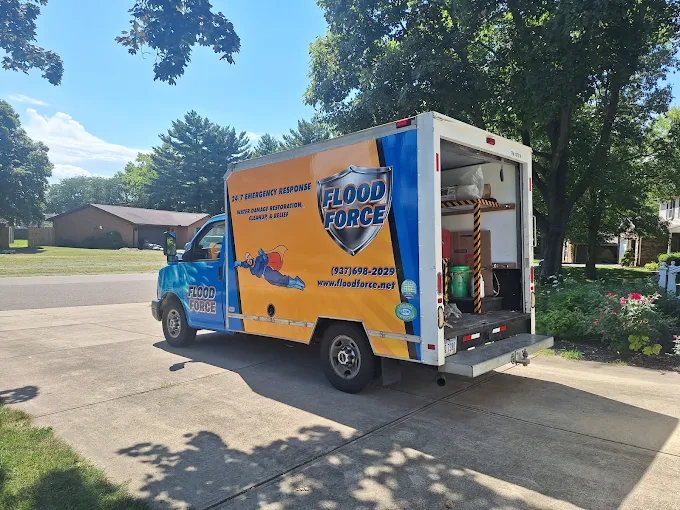
The published flood cleanup services from Flood Force include water extraction, removal of unsalvageable materials, decontamination, drying, and photographic and moisture documentation. Those service categories give homeowners specific subjects to discuss when establishing the scope of work.
Ask who will address the original water source, who will complete any reconstruction, and what remains outside the cleanup agreement. Clear responsibilities help prevent an unfinished task from being mistaken for completed restoration.
Before approving replacement finishes, request an explanation of the drying results and any unresolved conditions.
Recovery Means Addressing the Moisture You Cannot See
Dayton water damage recovery works best when safety, source control, contamination assessment, and verified drying guide the process. Removing standing water is an important early step, but lasting repairs depend on understanding what happened inside the affected materials. Ask clear questions, keep records, and avoid rushing to cover damage before the underlying conditions are resolved. A careful cleanup plan helps restore usable space while reducing the chance that hidden moisture becomes the next repair problem.