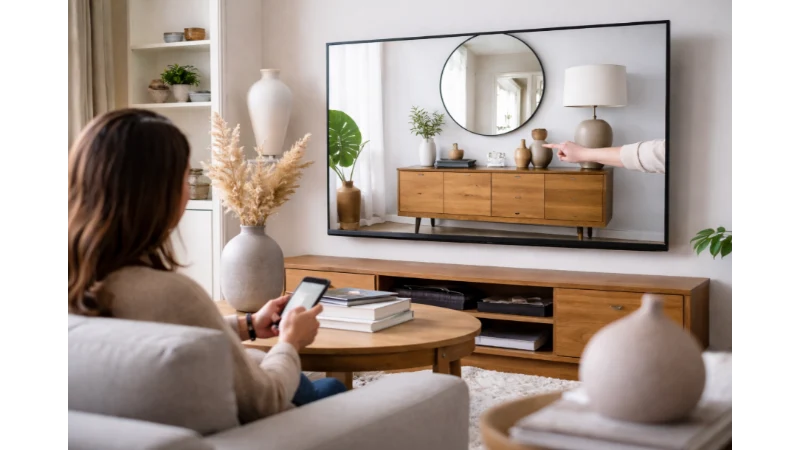
Shopping for home decor has changed dramatically over the past decade. People no longer rely only on product photos or written descriptions before buying furniture, lighting, wall art, or decorative pieces. Instead, they want to see how items behave in real spaces. They want to observe textures, scale, lighting effects, and styling possibilities before making a decision.
This shift has made visual storytelling one of the most powerful influences in the home decor industry. Short, engaging videos that showcase products in realistic environments help shoppers imagine how those items might look in their homes. As attention spans shrink and online competition grows, these videos are becoming essential for brands that want to stand out.
From helping customers understand materials to inspiring entire room makeovers, display videos are quietly reshaping the way consumers discover and choose home decor.
Why Visual Storytelling Matters in Home Decor
Home decor is deeply emotional. People are not just buying objects; they are shaping spaces where they live, relax, and create memories. Because of this emotional connection, customers need more than a static picture to feel confident about their choices.
Videos bring life to decor products in ways images cannot. A camera slowly panning across a textured rug can reveal its softness. A short clip showing a lamp turning on in a cozy evening setting can demonstrate its warmth and ambiance. Even a quick styling transformation like adding cushions or rearranging a shelf can spark inspiration.
These visual cues help shoppers imagine how products will fit into their daily lives. Instead of wondering whether a vase or table lamp will match their aesthetic, they see it in context. This reduces uncertainty and builds trust in the brand presenting the product.
For online retailers especially, this type of storytelling bridges the gap between digital browsing and the in-store experience.
Turning Inspiration into Purchase Decisions
Consumers browsing home decor are often in the early stages of inspiration. They might not know exactly what they want yet. A well-crafted video can guide them from curiosity to commitment.
For example, a short room transformation clip can show how a simple decor item such as a statement mirror or a set of pendant lights changes the entire atmosphere of a space. By demonstrating before-and-after scenarios, brands help customers visualize the potential impact in their own homes.
Another powerful technique is lifestyle presentation. Instead of displaying a product against a blank background, brands place it inside a styled living room, bedroom, or workspace. This contextual presentation makes the product feel realistic and achievable.
In many cases, shoppers who might have ignored a product image will pause to watch a short video. That extra moment of engagement often becomes the turning point that converts interest into action.
The Role of Creative Tools in Product Showcasing
Producing engaging visual content used to require expensive equipment, editing expertise, and long production timelines. Today, however, brands of all sizes can create high-quality display content much more efficiently.
Many marketers now rely on a product video creator to design short clips that demonstrate styling ideas, highlight product details, or simulate room setups. These tools make it easier to combine product images, motion effects, music, and captions into a cohesive story.
For home decor businesses, this accessibility is transformative. A small furniture brand can produce the same type of engaging visual presentation that larger retailers use. This levels the playing field and allows creativity to become the main differentiator rather than production budget.
More importantly, the faster creation process means brands can experiment. They can test different visual angles, themes, and storytelling styles to see what resonates most with their audience.
Showing Scale, Texture, and Real-Life Use
One of the biggest challenges when selling decor online is communicating scale and material quality. Customers frequently struggle to understand how large an item is or what it will feel like in real life.
Display videos help solve this problem.
A video can show someone placing decorative pillows on a couch, opening a storage basket, or adjusting a floor lamp. These small interactions give viewers valuable reference points. They reveal how big the item actually is and how it functions within a room.
Textures also become clearer through motion and lighting. For example, a rotating shot of a ceramic vase highlights its glaze and shape in ways that a single image cannot capture.
When customers feel confident about these details, hesitation decreases. This confidence plays a major role in encouraging online purchases.
Building Emotional Connections Through Atmosphere
Beyond practical information, videos create atmosphere. This is important in the home decor space, where mood and style are central to purchasing decisions.
Imagine a short clip showing a cozy evening living room: soft lighting, a candle flickering on a coffee table, textured blankets layered on a sofa. The scene instantly communicates comfort and warmth.
Now imagine the same products shown individually in isolated images. While the items may still look attractive, they do not tell a story.
Atmospheric presentation helps viewers emotionally connect with the space being shown. Instead of evaluating a product analytically, they begin imagining how their own home could feel with similar styling.
That emotional shift often leads to stronger brand attachment and higher purchase intent.
The Rise of AI-Assisted Video Creation
As video marketing becomes more essential, brands are also looking for ways to streamline the creative process. This is where intelligent creative platforms are making a noticeable difference.
For instance, platforms like invideo have expanded beyond simple editing tools. Invideo functions as a complete AI-powered creative suite that allows users to work with video, images, audio, and music in one place, helping creators manage the entire production workflow more efficiently.
Interestingly, the platform also offers an ai video app, allowing creators and marketers to generate and refine visual content without constantly switching between multiple creative tools. By keeping everything within one environment, brands can move from concept to finished content much faster.
For home decor companies that frequently update catalogs or seasonal collections, this efficiency is especially valuable.
Social Media and the Discovery Factor
Social media platforms have turned video into one of the primary ways people discover decor ideas. Short clips showing quick styling tips, room transformations, or product highlights often travel far beyond the brand’s existing audience.
These videos serve as both inspiration and education. A viewer might learn how to style a bookshelf, arrange cushions, or layer lighting in a living room. Along the way, they naturally notice the products used in the demonstration.
This subtle form of promotion feels more helpful than traditional advertising. Instead of pushing a sale, the brand offers practical design inspiration.
Because of this value-driven approach, viewers are more likely to engage with the content, share it with others, and eventually explore the product collection.
Strengthening Trust in Online Shopping
Trust remains one of the biggest challenges in e-commerce, especially in categories where appearance and quality matter.
Customers worry about whether colors will match what they see on screen, whether materials will look cheap in person, or whether the product will feel different from expectations.
Videos address many of these concerns. They provide a more transparent look at the item and its environment. Multiple camera angles, real-life demonstrations, and natural lighting create a sense of authenticity.
When brands consistently provide this level of transparency, customers begin to trust the visual presentation. Over time, this trust translates into stronger brand loyalty and repeat purchases.
The Future of Visual Shopping Experiences
The influence of display videos in home decor is likely to grow even stronger. As technology evolves, shoppers may interact with video content in more immersive ways pausing clips to explore product details, switching between styling variations, or visualizing items in their own spaces.
Interactive video experiences could allow viewers to click on different decor elements within a scene and instantly learn more about them. This type of layered storytelling could make browsing feel more like exploring a curated showroom than scrolling through a product catalog.
For brands, the opportunity lies in creating content that is not only visually appealing but also informative and inspiring.
Final Thoughts
Home decor decisions are usually influenced by emotions. They are influenced by imagination, emotion, and the desire to create spaces that feel personal and meaningful.
Display videos help bridge the gap between browsing and experiencing. By showing products in real environments, demonstrating their use, and building an atmosphere around them, brands give shoppers the confidence and inspiration they need to move forward with a purchase.
As visual storytelling tools become more accessible and creative possibilities expand, these videos will continue shaping how consumers discover, evaluate, and choose the pieces that define their homes.