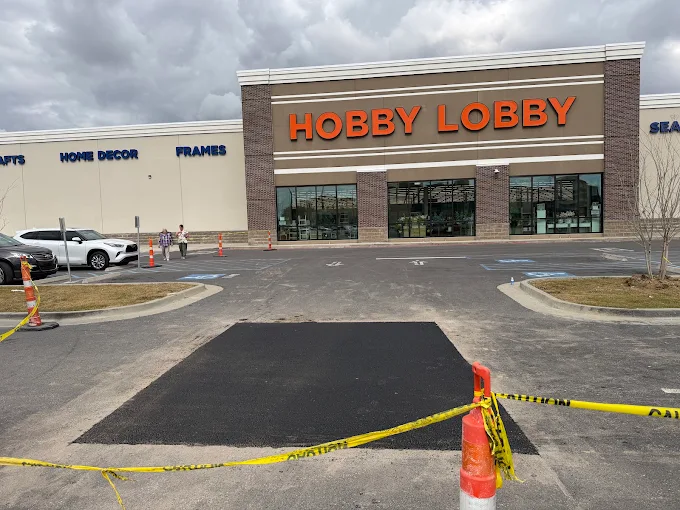
Winter pavement maintenance in Houston starts with a practical question: where can water, cooler weather, and everyday traffic turn existing damage into a bigger repair? Property managers do not need to treat every parking lot like a northern highway. They do need a plan for drainage, cracks, potholes, and weather-sensitive work. These five tips help prioritize winter paving services while keeping entrances, parking spaces, and delivery routes usable.
1. Inspect After Rain, Not Just During Dry Weather
A dry parking lot can hide drainage problems. Walk the property after rainfall and photograph standing water, sediment buildup, and areas where runoff crosses pedestrian routes.
Note whether puddles repeatedly collect beside cracks or pavement edges. Clear accessible surface drains of leaves and litter, but have persistent ponding evaluated. A low spot may require a grading or pavement correction; repeatedly filling nearby cracks will not resolve the underlying drainage problem.
Keep dated photos so changes are easier to explain during an inspection.
2. Match Crack Repairs to the Actual Damage
Crack sealing can help limit water entry through suitable cracks, but it cannot restore pavement that has lost structural support. Connected cracks resembling alligator skin, sinking areas, or movement under vehicles deserve closer investigation.
When discussing winter maintenance with Pelagic Paving, ask which areas are candidates for crack sealing and which need asphalt repair. That distinction helps prevent spending money on surface treatments where damaged material or unstable support requires attention.
Ask the estimator to separate these repair categories in the proposal.
3. Schedule Asphalt Work Around Actual Site Conditions
Winter does not automatically rule out asphalt paving. However, cooler conditions shorten the time available to compact hot asphalt properly. Wind, pavement temperature, layer thickness, and delivery timing all affect that working window.
An experienced Paving Contractor should explain how site conditions affect the proposed repair schedule. Ask what would trigger a postponement and how the crew will coordinate material delivery and rolling.
Avoid treating a sunny afternoon or one air-temperature reading as proof that every paving operation is suitable. Conditions at the receiving surface matter too.
4. Treat Potholes as Repair Decisions, Not Cosmetic Defects
A pothole near an entrance creates a different operational problem from one in an unused corner. Prioritize damage along travel lanes, loading areas, and walking routes, and arrange temporary traffic controls where needed.
Ask whether a proposed patch is an interim measure or a permanent repair. Recurring potholes may indicate that deteriorated material, water intrusion, or weak underlying layers need correction.
Document the location and repair history. If the same spot fails repeatedly, request an explanation of the cause before approving another identical patch.
5. Give Surface Treatments Their Own Weather Window
Sealcoating is not a substitute for structural repairs, and its scheduling requirements differ from hot asphalt placement. Product instructions govern suitable application temperatures, drying conditions, and protection from rain.
Before scheduling winter sealcoating or pavement markings, confirm the required closure period and reopening criteria. Coordinate tenants, deliveries, and alternate entrances beforehand. A surface that looks dry may still need additional time before accepting traffic.
Build a Winter Plan Around Pavement Conditions
Effective winter pavement care starts with observation and targeted repairs. Address drainage, distinguish surface damage from structural failure, and let material requirements guide scheduling. A documented maintenance plan makes it easier to protect access, explain repair priorities, and prepare the property for the next season.