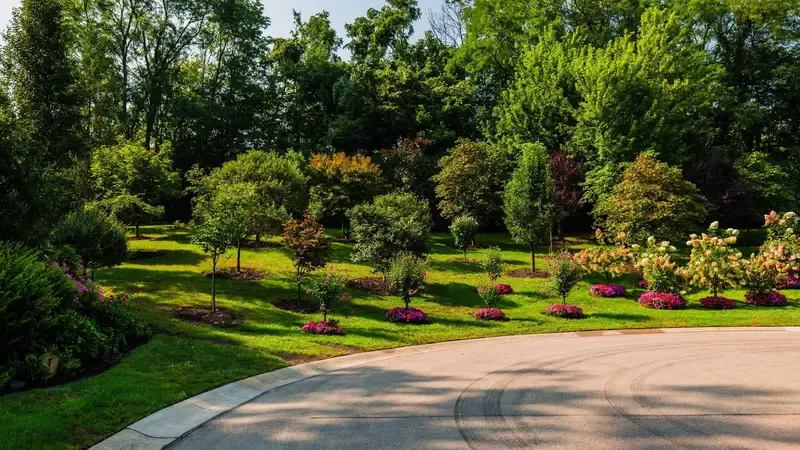
A beautiful yard is not created by placing a few plants wherever there happens to be open soil. Successful landscape design considers how a property looks, how people move through it, how water behaves, what plants need, and how the space will change through the seasons. The result should feel attractive on day one and practical years later.
That is why professional landscape design is as much about problem-solving as appearance. A thoughtful plan can connect planting beds, lawns, walkways, patios, drainage, irrigation, lighting, and outdoor living features so they support one another. For homeowners planning a new landscape or improving an existing one, these five tips provide a useful framework for making better design decisions.
1. Start With How You Want to Use the Property
Before choosing plants or colors, decide what the outdoor space needs to do. A front yard may need to create a welcoming entrance and stronger curb appeal, while a backyard might need room for dining, entertaining, pets, children, gardening, or quiet relaxation. Some properties need privacy. Others need easier movement between a driveway, patio, lawn, and side yard.
Thinking about function first prevents the design from becoming a collection of attractive but disconnected features. Paths should lead somewhere useful. Planting beds should complement the home rather than interfere with windows or walkways. Gathering areas should be located where they are comfortable and convenient.
Cable Bros Outdoor Living & Landscaping describes its landscape installation process as beginning with a conversation about the customer’s goals, property, timeline, and desired results, followed by a site visit to review conditions and project challenges.
Open Fame Person A Curated World Pulse Post Guarantee Explore Infoglobehub useful website learn more Reference Fameblogsmarvin Tips & Tricks look here Brightphere Guide — what to expect The Official Fameprofile Whitepaper Understanding the Notedprofile Explainer complete resource Businessbeaconnews Recognition quick overview Discover Techvanture Courses A Detailed Worldshinemag Customer Stories Understanding the Worldverses Guide Tech Fame Pro Tips for Enterprises An overview of Lucywell Insights A Quick Tophomeinsight Video Series The Premier Prohomeinsight Community Forum Worldpeakmag Guide — what to expect Top picks from Thekongotech Download Voozons Dashboard Learn more about Droven great tool Techfivers Courses for Designers See Urbanglowmatter Podcast Check out Daily Spark Magazine Open Worldcelebritymag Articles Meet Techfunpro Customer Stories The Trusted Businessdailyvibe Resource Center See Worldusmagazine Playbook Outclassmagazine Courses for Beginners An Award-Winning Prosuccessguide Framework Urbanfloracivic Strategy Guide Review Thefamefacts Stories A Professional Thevibepost Membership Understanding the Outclassinsight Resources Meet Techdailyvibes Academy free resource here Best of Homlywise An overview of Mintpaldecors Breakdown Homeydecors Software
Working with Cable Bros Outdoor Living & Landscaping can help homeowners turn those practical goals into a coordinated design that considers plants, grading, irrigation, hardscaping, drainage, lighting, and other outdoor features.
2. Choose Plants for the Conditions, Not Just Their Looks
It is easy to fall in love with a plant at a garden center, but appearance is only part of the decision. Sun exposure, soil, available space, moisture, mature size, and seasonal behavior all influence whether a plant will perform well in a particular location.
Cable Bros Outdoor Living & Landscaping specifically emphasizes matching plant species to soil and sun conditions. Its residential landscape services include trees, shrubs, evergreens, perennial gardens, ornamental grasses, ground covers, sod, seeding, mulch, and edging. The company also notes that native and pollinator-friendly varieties are available for perennial plantings.
Good landscape design considers what plants will become, not merely what they look like when installed. A young shrub placed too close to a walkway may become an obstacle later. A tree chosen without considering mature canopy size could conflict with structures or other plantings. Perennials can also be arranged to provide different periods of color and interest instead of producing one short burst of blooms.
Layering plants by height, texture, color, and season can make a landscape feel fuller without making it visually chaotic. Trees can provide structure, shrubs can create mass and screening, and perennials or ornamental grasses can add movement and changing color.
3. Treat Drainage and Grading as Part of the Design
Water is one of the least glamorous subjects in landscape design, yet it can have an enormous influence on whether a finished yard functions properly. Low spots, compacted soil, poorly directed runoff, or grade changes can contribute to soggy areas, erosion, or water moving toward places where it is unwanted.
That is why drainage should be considered before the final layer of mulch goes down. During its site-visit process, Cable Bros Outdoor Living & Landscaping says it reviews drainage, access, existing features, measurements, and other project challenges. Its installation process also describes proper preparation and drainage as considerations during construction.
A Landscaping Company that works across landscape installation, drainage, irrigation, hardscaping, and outdoor living can evaluate how these systems interact instead of treating each feature as an isolated addition.
Grading can influence where water moves after rainfall. Plant selection can influence how well different areas tolerate moisture or dryness. Hardscape surfaces can change runoff patterns. Irrigation can add another source of water that must be controlled. Looking at these factors together helps create a landscape that works as a system.
4. Build Year-Round Interest Into the Planting Plan
A landscape should not have to peak for two weeks in spring and spend the rest of the year waiting for another moment. Thoughtful design can create changing interest across multiple seasons through a combination of flowering periods, foliage color, evergreen structure, ornamental grasses, bark, seed heads, and plant form.
Cable Bros Outdoor Living & Landscaping describes perennial gardens with layered bloom sequences from spring through fall. It also notes that ornamental grasses can contribute summer texture, fall color, and winter structure. Those ideas illustrate an important design principle: plants can be selected for what they contribute at different times of year.
Evergreens may provide visual stability when deciduous plants are bare. Flowering trees and perennials can bring spring and summer color. Grasses and certain shrubs can add autumn texture and movement. Even dormant plant forms can contribute to winter composition when they are placed thoughtfully.
Year-round planning also helps homeowners understand maintenance. Some plants need pruning, dividing, cleanup, or other seasonal attention. Designing with those requirements in mind can produce a landscape that fits the amount of ongoing care the homeowner actually wants to provide.
5. Connect Landscape Design With Long-Term Maintenance
Installation day is the beginning of a landscape, not the finish line. Plants grow, mulch breaks down, edges soften, lawns need care, and seasonal conditions change. A design that ignores maintenance can become harder to manage as it matures.
Cable Bros Outdoor Living & Landscaping offers ongoing services that include mowing, seasonal cleanups, mulching, pruning, and other maintenance work. Its landscape installation information also states that customers receive care guidance for new landscapes. This connection between design and maintenance is important because choices made during planning determine much of the work required later.
Homeowners should think realistically about how much time they want to spend outside maintaining beds and plants. A person who enjoys gardening may want layered perennial beds with frequent seasonal changes. Someone who prefers a simpler routine may be better served by a more restrained palette, durable shrubs, ground covers, and clearly defined bed lines.
Mulch can help suppress weeds and retain soil moisture when installed appropriately. Ground covers can be useful in difficult areas where turf struggles, including some slopes or shaded locations. Properly selected plants can also reduce the need for constant intervention once established.
A Thoughtful Landscape Plan Creates More Than Curb Appeal
The best landscape designs balance beauty with everyday function. They begin with how people want to use the property, match plants to actual site conditions, account for water and grading, create interest beyond a single season, and consider what the landscape will require as it matures.
Professional planning can also reveal connections that are easy to miss when projects are handled one piece at a time. A new planting bed may affect irrigation. A patio can influence drainage. A tree can eventually change shade conditions. Lighting may change how pathways and gathering areas are experienced after sunset. Looking at the whole property helps those decisions support one another.
For homeowners, that broader view can make the investment more useful. The goal is not simply to make a yard look impressive immediately after installation. It is to create an outdoor environment that feels connected to the home, suits the people using it, and develops well over time.
A successful landscape should feel intentional without feeling forced. With careful planning, appropriate plant selection, attention to site conditions, and realistic maintenance expectations, an ordinary yard can become a functional outdoor space that offers beauty, comfort, and character through changing seasons while remaining practical for the people who maintain it.