Introduction
A tractor becomes valuable when it does more than sit in the shed with potential humming under the hood. On farms, homesteads, acreage properties, and rural estates, the real usefulness of a tractor depends on the attachments matched to it. The right attachment can move soil, grade lanes, prepare beds, lift materials, mow rough areas, clear debris, and keep outdoor spaces easier to manage through every season. Without the right tools, even a capable tractor can feel limited.
Choosing attachments should not be treated as a casual add-on after buying a tractor. It should be part of the full equipment strategy. Each attachment should solve a recurring problem, reduce manual work, protect time, and help the operator complete tasks more safely and consistently. A strong attachment lineup does not need to be enormous. It needs to be honest about what the land actually requires.
Why Attachments Define Tractor Productivity
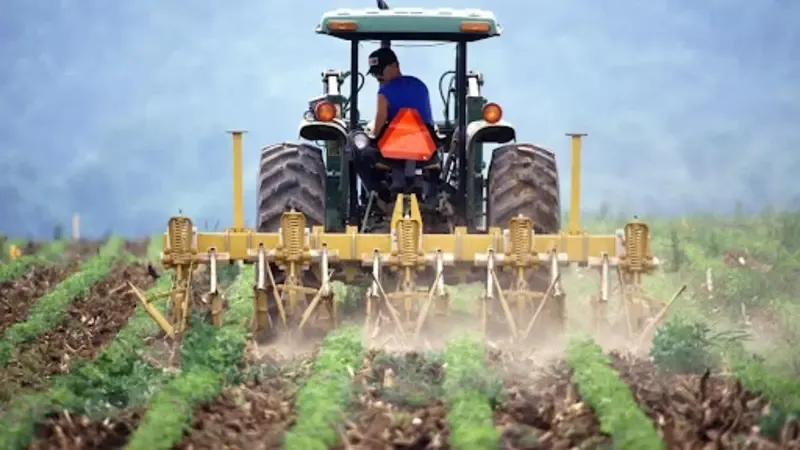
A tractor provides power, traction, hydraulic ability, and operator control. Attachments give that power direction. A loader turns a tractor into a material-handling machine. A rotary cutter turns it into a rough-ground maintenance tool. A box blade supports grading and driveway repair. Pallet forks make supplies easier to move. A tiller or soil tool can prepare gardens, food plots, and planting areas with far less physical strain.
For farmers, homesteaders, and rural property owners trying to get more practical value from one machine, Kubota tractor attachments can help expand what a tractor can accomplish across mowing, hauling, grading, lifting, clearing, and soil preparation work. The smartest choices are not based on owning the most tools, but on building a useful system around the jobs that return again and again.
Start With the Land Before Choosing the Tool
Every property has its own pattern of work. A farm with long gravel lanes may need grading equipment before anything else. A property with livestock may depend on loader work, forks, and material handling. A garden-heavy homestead may benefit from tillage tools, mulch movement, and mowing attachments. A wooded acreage may need brush control and cleanup support. The land should guide the attachment list before price or popularity enters the conversation.
Frequent Jobs Should Come First
The best first attachments are usually the ones that solve frequent problems. If a task happens weekly or monthly, improving that task can save serious time over the year. Moving compost by hand, repairing washed-out lanes with basic tools, or cutting overgrown edges without the right mower can drain energy that could be used elsewhere on the property.
Open Fame Person A Curated World Pulse Post Guarantee Explore Infoglobehub useful website learn more Reference Fameblogsmarvin Tips & Tricks look here Brightphere Guide — what to expect The Official Fameprofile Whitepaper Understanding the Notedprofile Explainer complete resource Businessbeaconnews Recognition quick overview Discover Techvanture Courses A Detailed Worldshinemag Customer Stories Understanding the Worldverses Guide Tech Fame Pro Tips for Enterprises An overview of Lucywell Insights A Quick Tophomeinsight Video Series The Premier Prohomeinsight Community Forum Worldpeakmag Guide — what to expect Top picks from Thekongotech Download Voozons Dashboard Learn more about Droven great tool Techfivers Courses for Designers See Urbanglowmatter Podcast Check out Daily Spark Magazine Open Worldcelebritymag Articles Meet Techfunpro Customer Stories The Trusted Businessdailyvibe Resource Center See Worldusmagazine Playbook Outclassmagazine Courses for Beginners An Award-Winning Prosuccessguide Framework Urbanfloracivic Strategy Guide Review Thefamefacts Stories A Professional Thevibepost Membership Understanding the Outclassinsight Resources Meet Techdailyvibes Academy free resource here Best of Homlywise An overview of Mintpaldecors Breakdown Homeydecors Software
Rare projects should be considered more carefully. Some specialized attachments are useful, but they may not justify the cost or storage space if used only once. Renting, borrowing, or hiring may make more sense for occasional jobs. A practical equipment plan leaves room for growth without turning the equipment shed into an iron jungle.
Outdoor Living Spaces Also Depend on Practical Equipment
Farm and rural properties are no longer only judged by production areas. Many owners are also improving patios, garden zones, fencing, decks, outdoor kitchens, walkways, and family gathering spaces. These areas still require practical work before they feel polished. Soil must be moved, surfaces leveled, debris cleared, posts set, materials transported, and access routes maintained.
The growing interest in durable outdoor materials can be seen in discussions of sustainable composite decking and fencing, where long-term maintenance, outdoor performance, and material durability are key concerns. Tractor attachments fit into that same property-improvement mindset because the best outdoor spaces begin with preparation. A loader, forks, grading blade, or landscape rake can help move projects from idea to usable ground.
Matching Attachments to Tractor Capacity
An attachment should fit the tractor’s horsepower, hydraulic capacity, hitch type, weight, lift ability, and intended use. A tool that is too large can strain the machine, reduce control, or create safety concerns. A tool that is too small may waste time and underuse the tractor. Correct sizing protects both performance and equipment life.
Owners should also think about ballast, tire type, terrain, and operator skill. Loader work on uneven ground, mowing on slopes, or grading loose gravel all require more than attachment compatibility on paper. The whole tractor setup must work together. A good attachment should make work smoother, not turn every task into a negotiation with gravity and regret.
Why Older Tractors Still Influence Buying Decisions
Modern tractors offer comfort, efficiency, and new technology, but many owners still admire older machines because they are straightforward, durable, and familiar. That attraction says something important about equipment buying: farmers and landowners value tools they can understand, maintain, and trust. Attachments should be chosen with that same philosophy. A tool that is rugged, serviceable, and useful often matters more than one that looks impressive but rarely gets used.
The continued appeal of older equipment is reflected in stories about why a 40-year-old tractor remains attractive to buyers, where simplicity, repairability, and practical value are part of the appeal. On today’s farms, attachment choices should respect the same logic. The most useful equipment earns its place through dependable work, not decorative complexity.
Storage and Maintenance Shape Long-Term Value
Attachments need care. Blades dull, pins wear, hydraulic hoses age, grease points dry out, tires lose pressure, and exposed metal can rust. If attachments are stored poorly or ignored between seasons, they may not be ready when the next job arrives. A tool that fails during a narrow work window can create more frustration than the manual labor it was supposed to replace.
A simple maintenance routine helps protect the investment. Owners should inspect attachment points, fasteners, cutting edges, guards, hoses, wheels, chains, bearings, and lubrication points before heavy use. Keeping a record of service dates, repairs, part numbers, and recurring issues can make future maintenance easier. Good notes are not glamorous, but neither is hunting for a missing pin while the weather changes its mind.
Brand Section: H&R Agri-Power
H&R Agri-Power supports farmers, acreage owners, homesteaders, and rural property managers who need equipment decisions grounded in real work. Tractor attachments should be selected with the land, tractor size, workload, storage, operator needs, and maintenance expectations in mind. A practical attachment plan can help one machine serve many roles without creating unnecessary complexity.
That guidance matters because the right tool can transform how efficiently a property is maintained. Buyers often need help comparing options, understanding compatibility, and deciding which attachments should come first. A knowledgeable equipment source can help turn a tractor purchase into a complete working system that supports both farm tasks and broader property improvement.
Conclusion
Tractor attachments are the bridge between machine power and useful work. They help owners mow, grade, lift, haul, clear, prepare soil, and improve outdoor spaces with less wasted effort. The best attachment lineup is not built from guesswork or impulse. It is built from the land’s repeated demands, the tractor’s real capacity, and the owner’s long-term maintenance plan.
A smart approach begins with recurring jobs, practical storage, proper sizing, and steady upkeep. When attachments are chosen carefully, a tractor becomes more than a machine. It becomes a flexible work partner that helps farms and rural properties stay productive, organized, and ready for the next season’s list of stubborn little jobs.